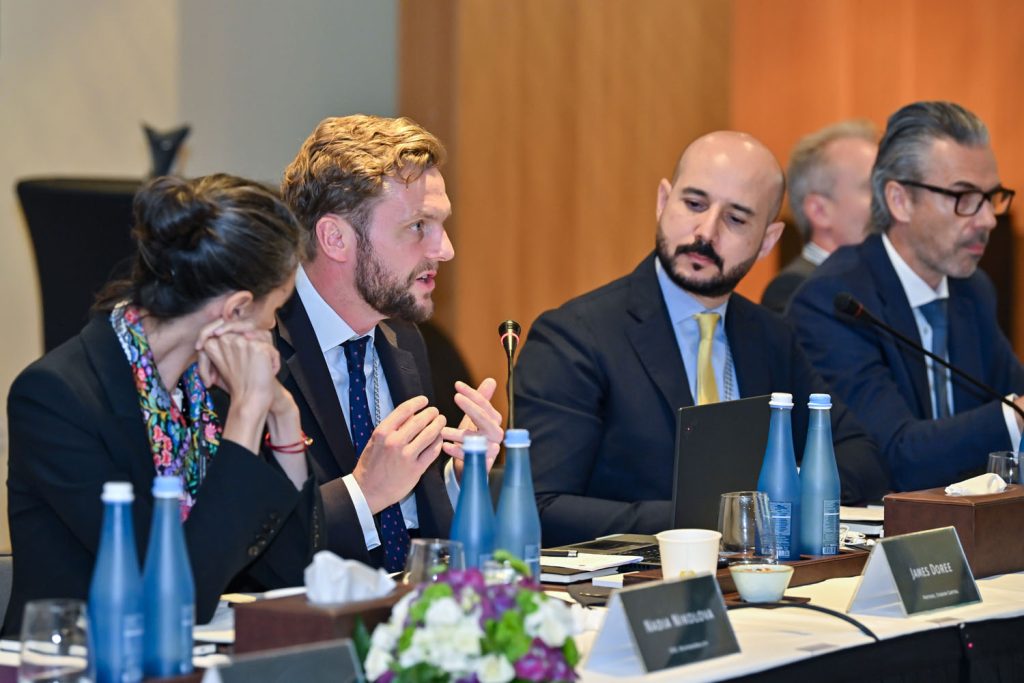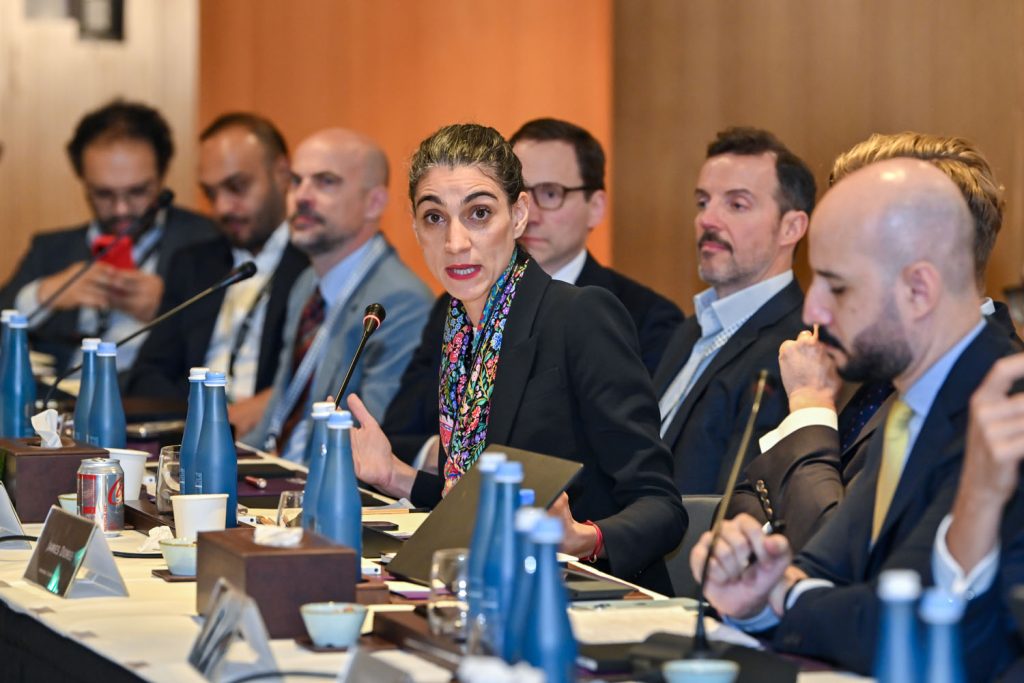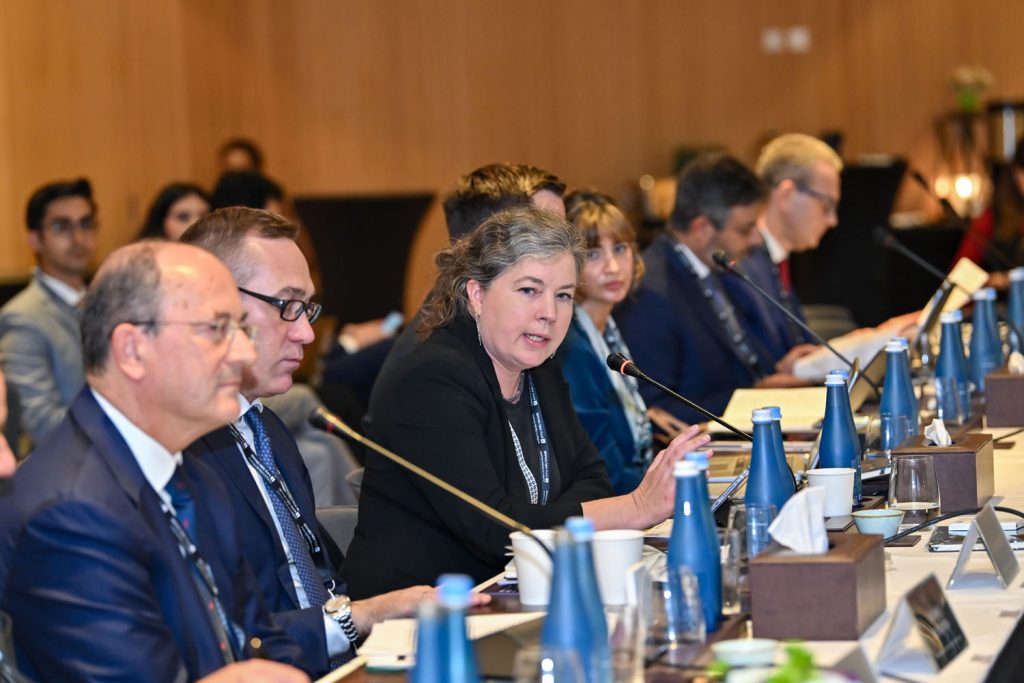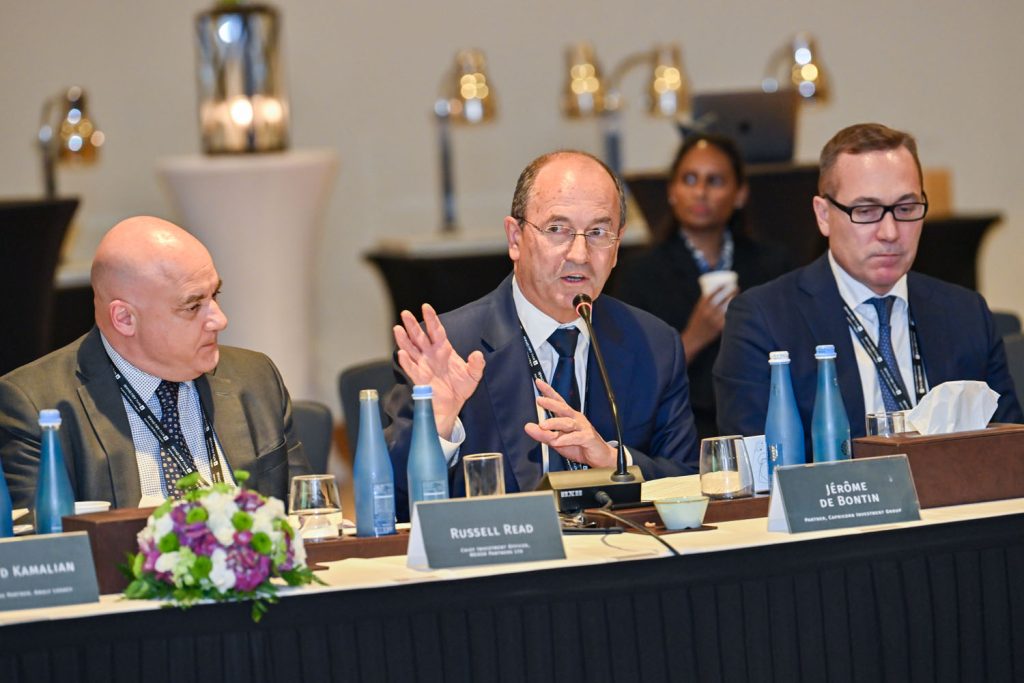
GCFC Climate Investment Executive Training Program
November 17-20, 2026
NYUAD Abu Dhabi, Stern School of Business
ADGM Academy
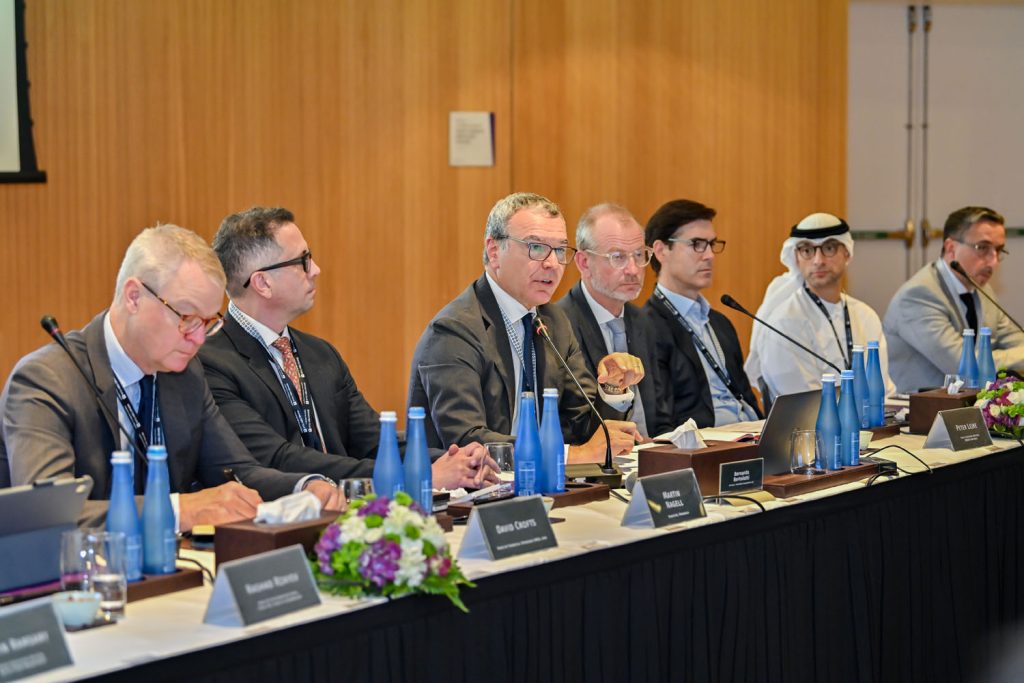
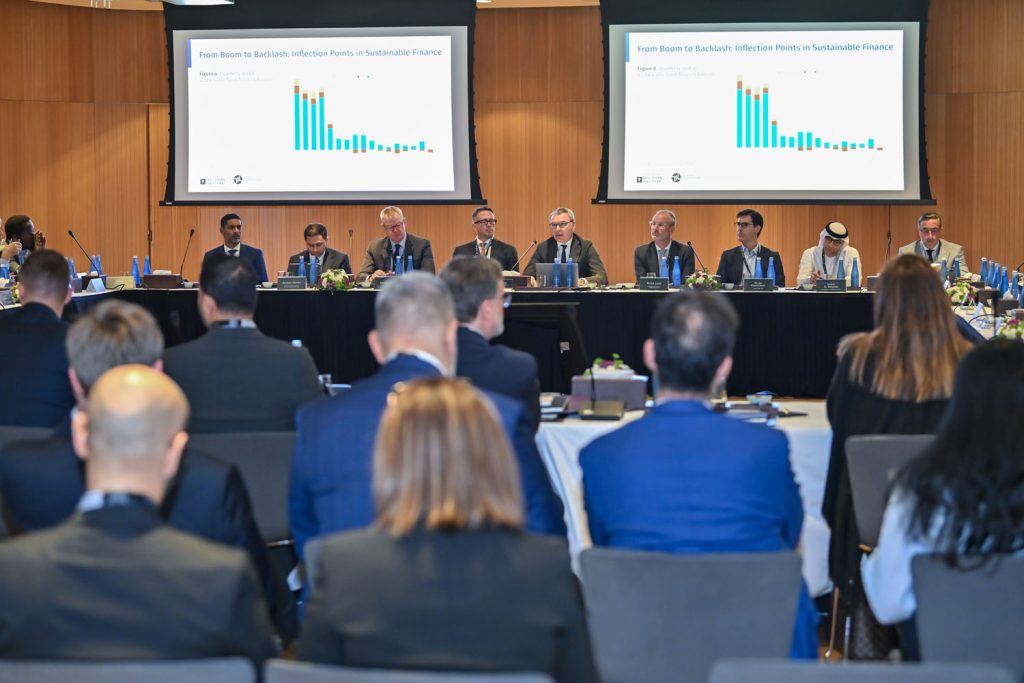
Transition Investment Lab joins GCFC Climate’s Investment Training Programme.
Climate capital is growing, but deployment remains constrained. Institutions face increasing complexity in structuring transactions, managing risk, and aligning capital with credible transition pathways.
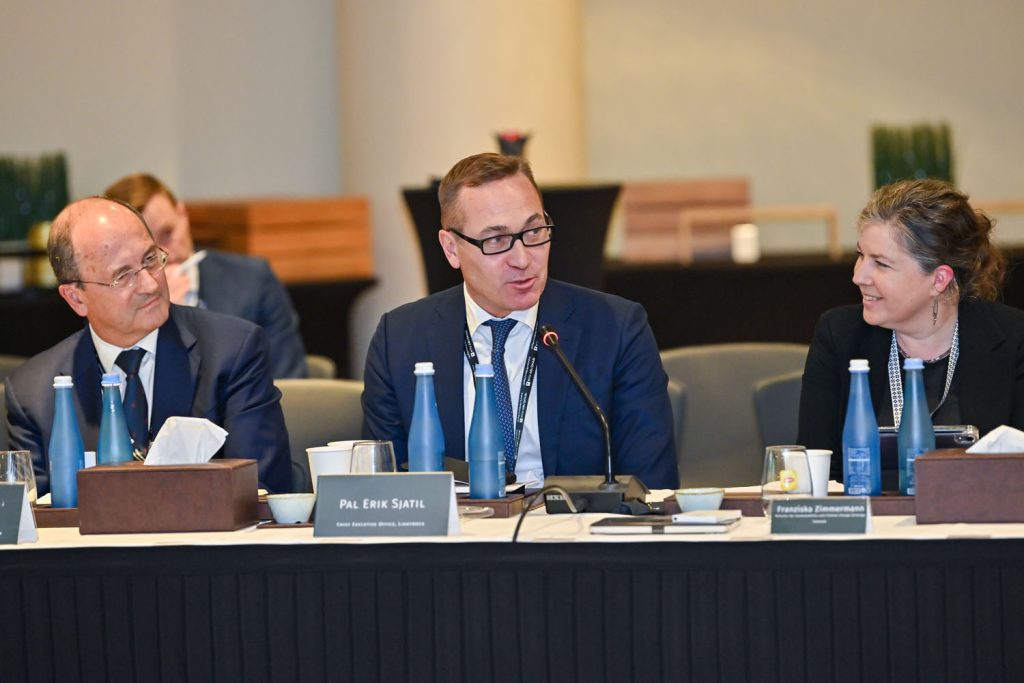
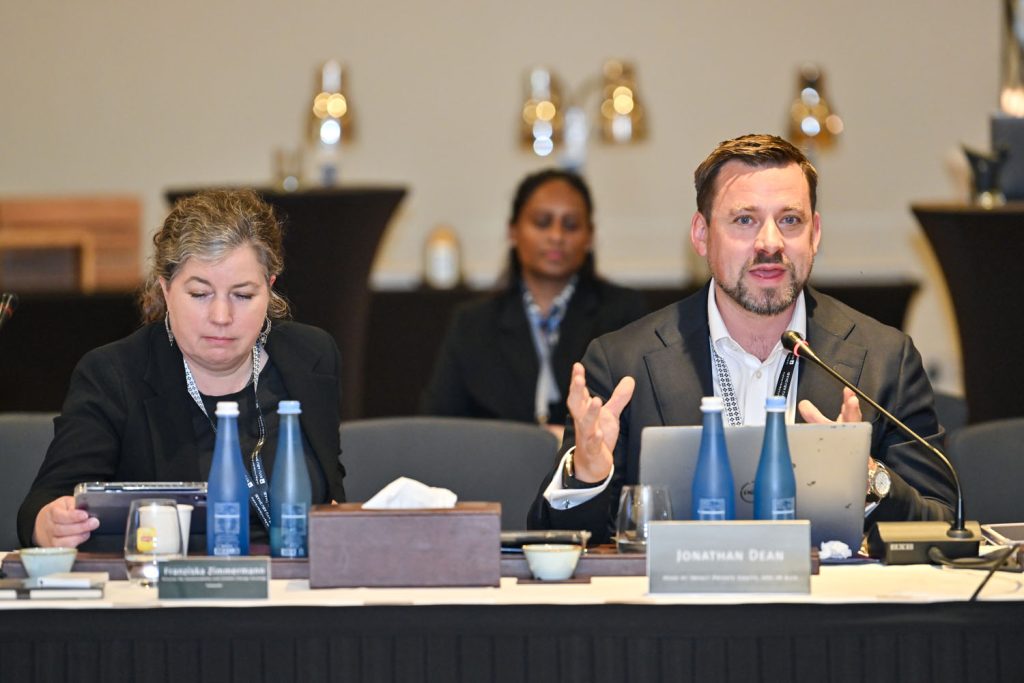
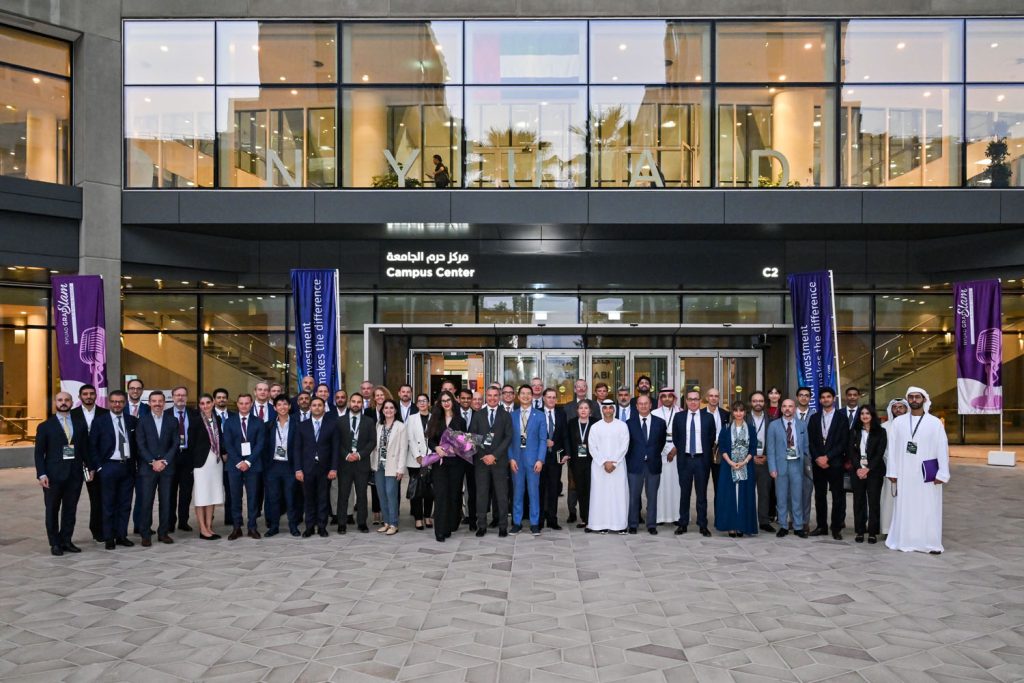
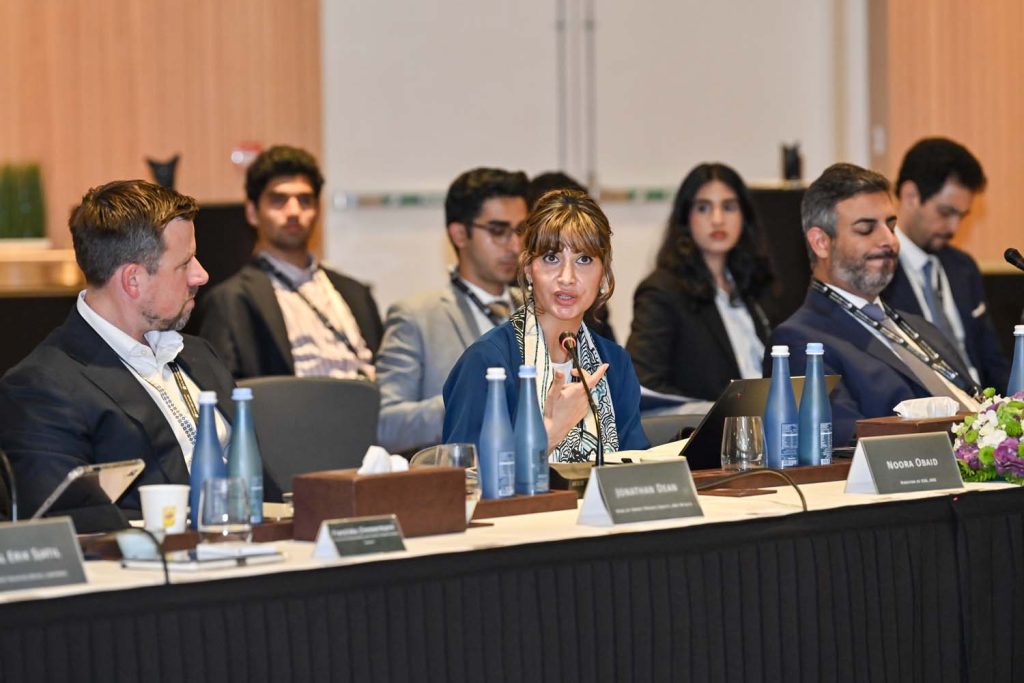
As part of its mandate to strengthen the UAE’s position as a global climate finance hub, GCFC will bring together partners, senior practitioners, and academic experts for four days to explore how climate and transition capital is structured, de-risked, allocated, and scaled.
- 2 Days of Lectures (17-18 November)
- 2 Days of Practitioner Engagement (19-20 November)
For further information, download the official brochure with the full program or navigate to GCFC official website.
Program
11:30 – 12:00
Registration and reception
12:00 – 13:00
Welcome by NYUAD leadership and networking lunch
13:00 – 13:30
Session 1.
Transition investment insights from research
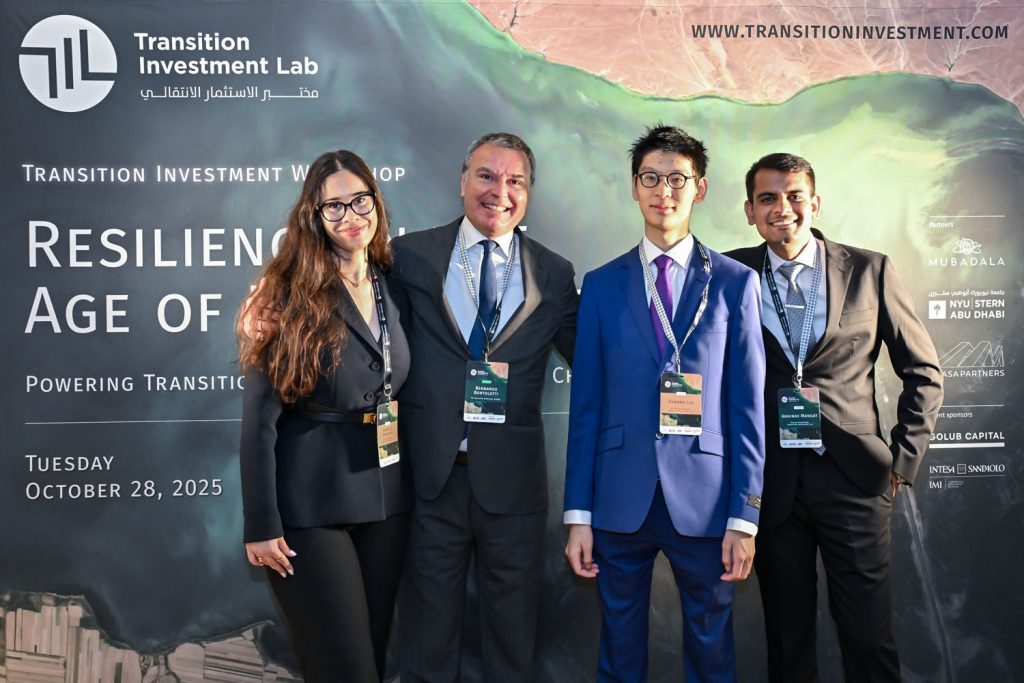
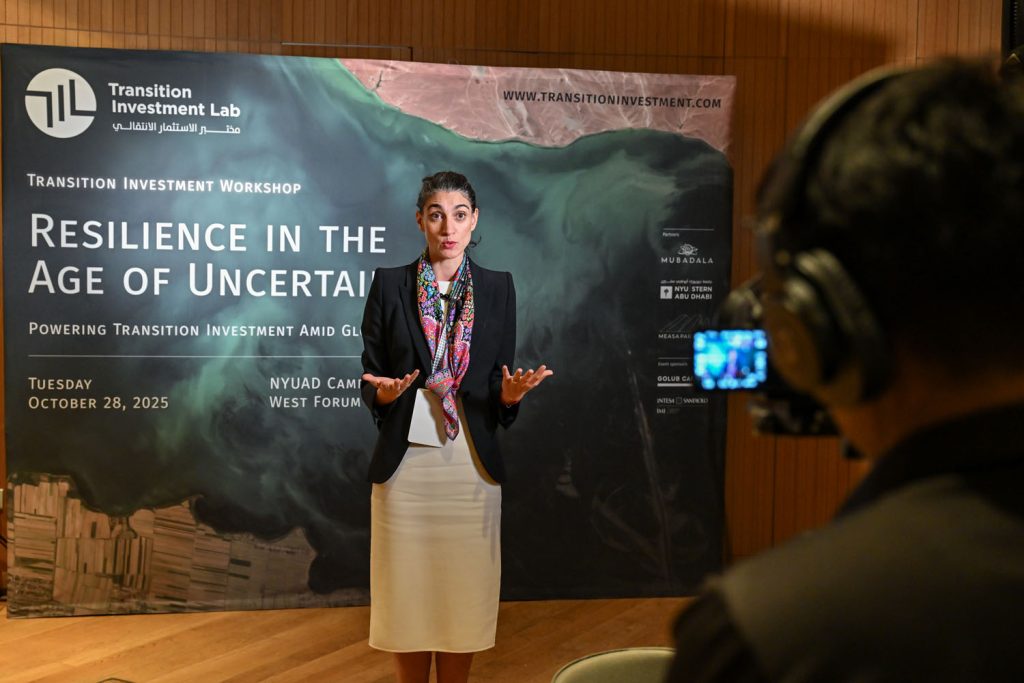
This session leveraged on the key research outputs and insights from TIL’s research team, with special reference to the most recent trends in SWF’s investments in adaptation and resilience, in SDG-aligned private equity investments in emerging and developing economies of the MEASA region.
13:30 – 14:45
Session 2.
Development as an asset class? Repricing risk and returns in emerging and developing markets
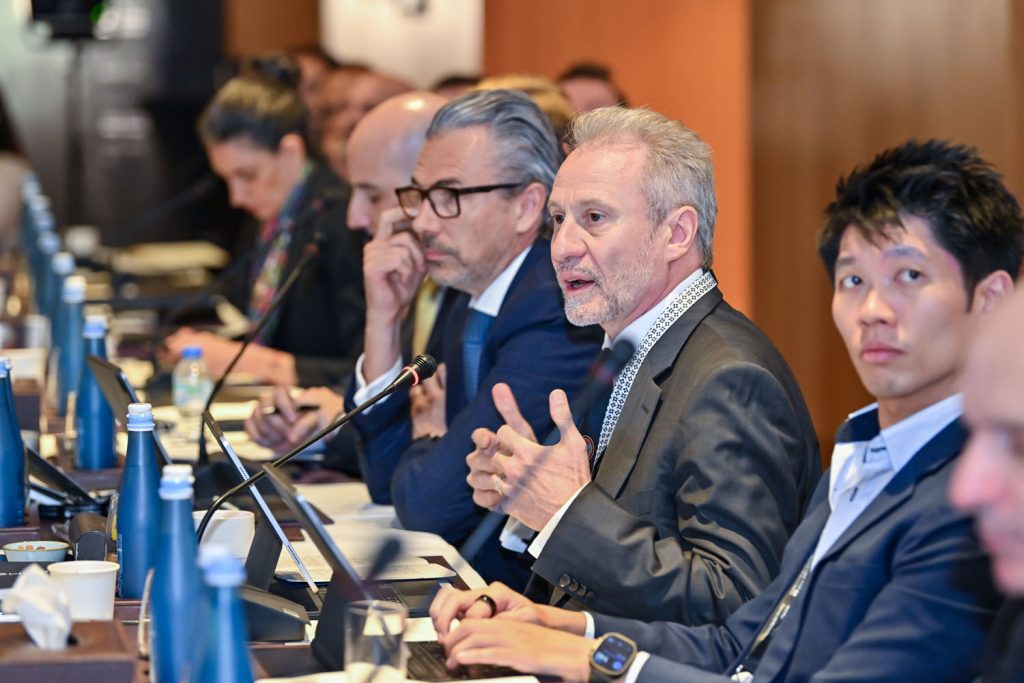
This session discussed the most recent evidence on credit risk in emerging markets from the GEMs database, the role of MDBs and DFIs as originators of bankable projects in emerging and lower income countries, blended finance, risk mitigation, and investment strategies to foster institutional capital mobilization along the SDGs.
14:45 – 16:00
Session 3.
Scaling up commercial catalytic capital in Global South infrastructure
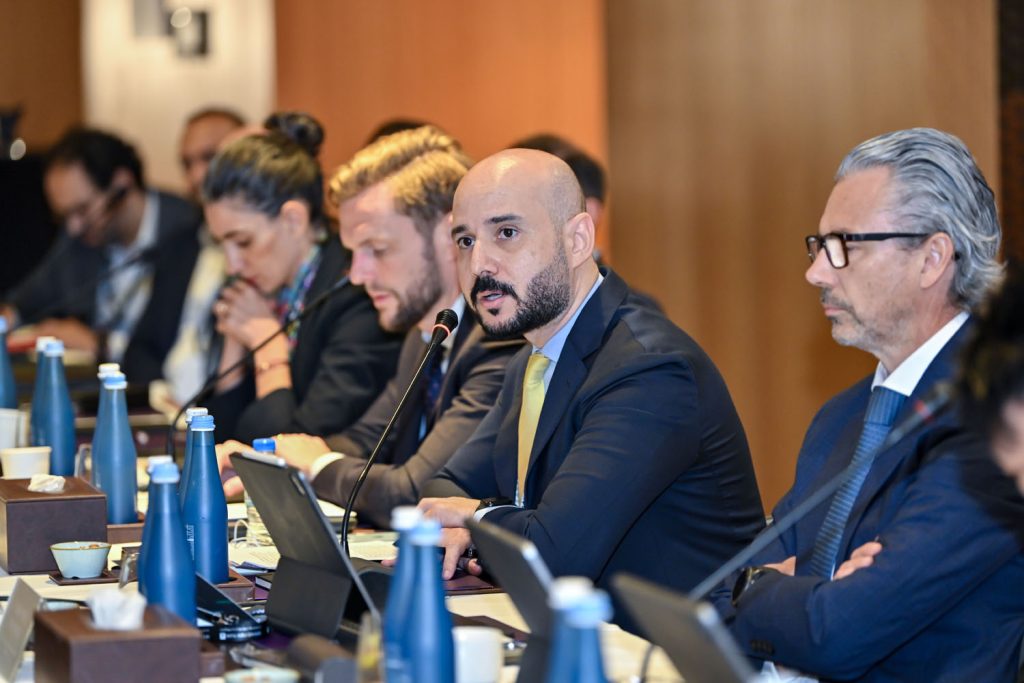
Investors are increasingly drawn to the region’s growth potential and critical role in global transitions, yet structural challenges — from currency risk and political instability to infrastructure gaps and regulatory uncertainty — continue to complicate capital flows. This session examined how experienced investors are addressing these challenges in the infrastructure space: the frameworks, instruments, and partnerships they rely on, how they assess and price risk, and where they see emerging opportunities across the Global South, with special reference to the MEASA region.
16:00 – 16:15
Coffee break
16:15 – 17:30
Session 4.
Seeking resilience alpha: private markets opportunities in adaptation against global risks
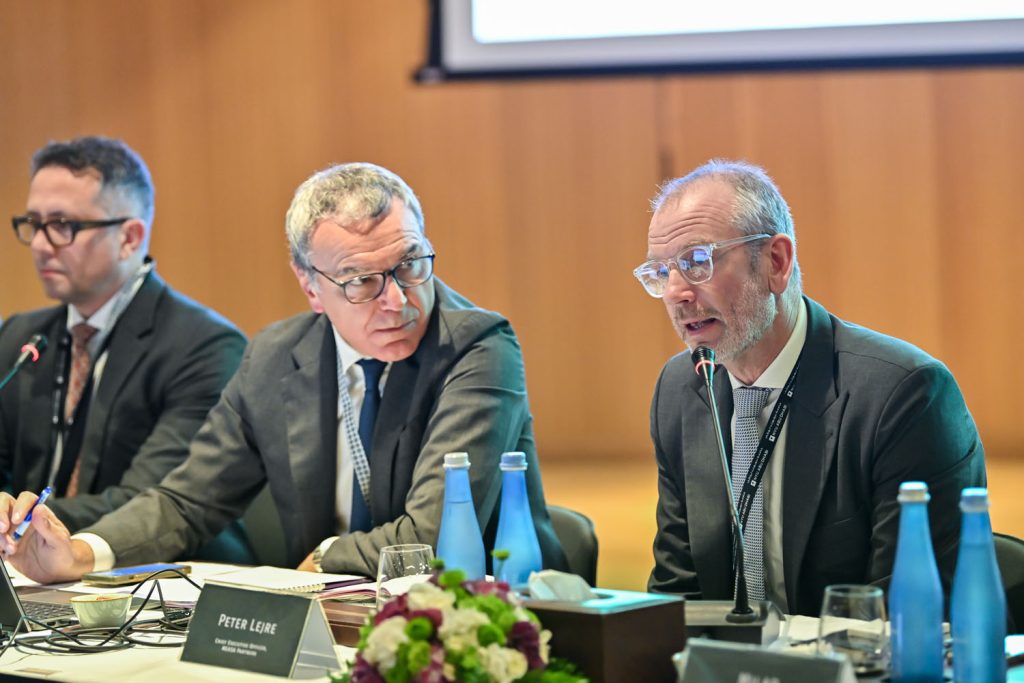
Resilience alpha is no longer anecdotal; it is measurable, repeatable, and increasingly priced by the market. Investors who underwrite for resilience stand to capture a structural return premium while cutting left-tail risk. This session
discussed the opportunities for private equity investment in resilience and system adaptation across multiple impact themes.
Event Program
11:30 – 12:00
Registration and reception
12:00 – 13:00
Welcome by NYUAD leadership and networking lunch
13:00 – 13:30
Session 1.
Transition investment insights from research
This session leveraged on the key research outputs and insights from TIL’s research team, with special reference to the most recent trends in SWF’s investments in adaptation and resilience, in SDG-aligned private equity investments in emerging and developing economies of the MEASA region.
13:30 – 14:45
Session 2.
Development as an asset class? Repricing risk and returns in emerging and developing markets
This session discussed the most recent evidence on credit risk in emerging markets from the GEMs database, the role of MDBs and DFIs as originators of bankable projects in emerging and lower income countries, blended finance, risk mitigation, and investment strategies to foster institutional capital mobilization along the SDGs.
14:45 – 16:00
Session 3.
Scaling up commercial catalytic capital in Global South infrastructure
Investors are increasingly drawn to the region’s growth potential and critical role in global transitions, yet structural challenges — from currency risk and political instability to infrastructure gaps and regulatory uncertainty — continue to complicate capital flows. This session examined how experienced investors are addressing these challenges in the infrastructure space: the frameworks, instruments, and partnerships they rely on, how they assess and price risk, and where they see emerging opportunities across the Global South, with special reference to the MEASA region.
16:00 – 16:15
Coffee break
16:15 – 17:30
Session 4.
Seeking resilience alpha: private markets opportunities in adaptation against global risks
Resilience alpha is no longer anecdotal; it is measurable, repeatable, and increasingly priced by the market. Investors who underwrite for resilience stand to capture a structural return premium while cutting left-tail risk. This session
discussed the opportunities for private equity investment in resilience and system adaptation across multiple impact themes.
Resources
- Summary Highlights and Coverage of the Transition Investment Workshop 2025, gathering the key takeaways of each session (pdf)
- Event Agenda of the Transition Investment Workshop 2025, with timings, speakers and guests lists
- Full slide presentation of the workshop
- GEMs General Brochure (pdf)
- GEMs Private Sector Presentation (pdf)
- GEMs Private Sector Lending Report (pdf)
- GEMs Website: www.gemsriskdatabase.org
- Fervo Energy Teaser Presentation (pdf)
- Redwood Teaser Presentation (pdf)