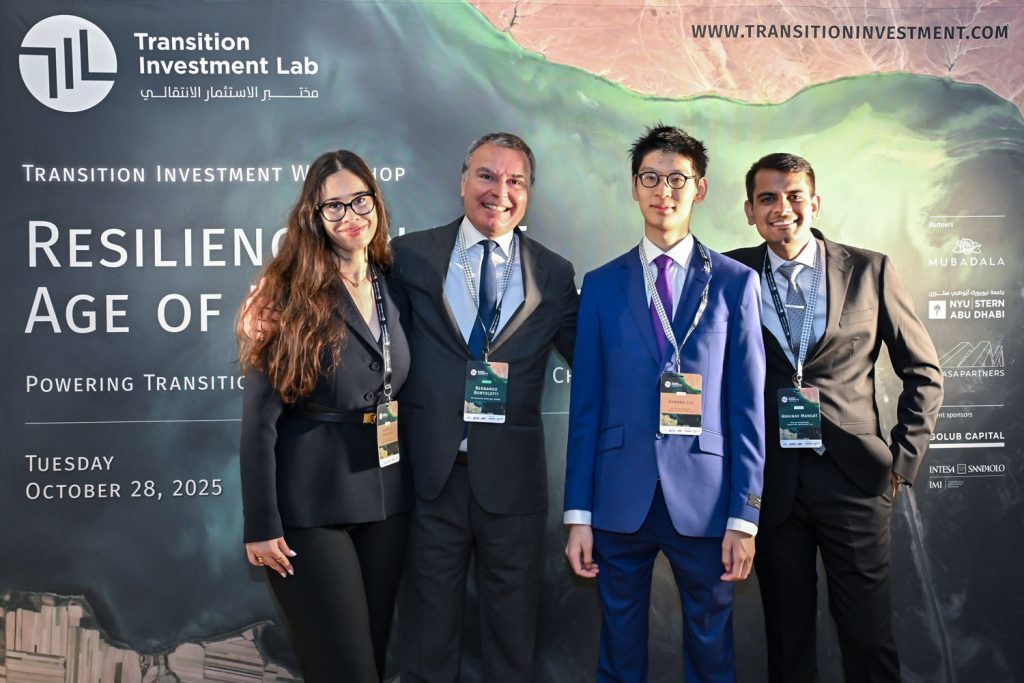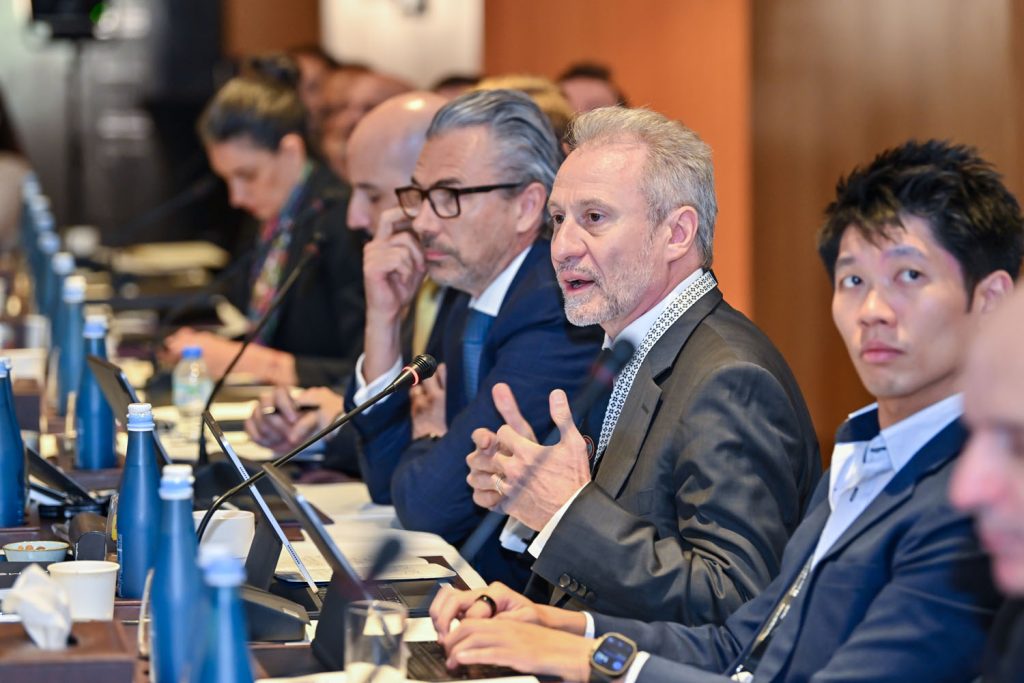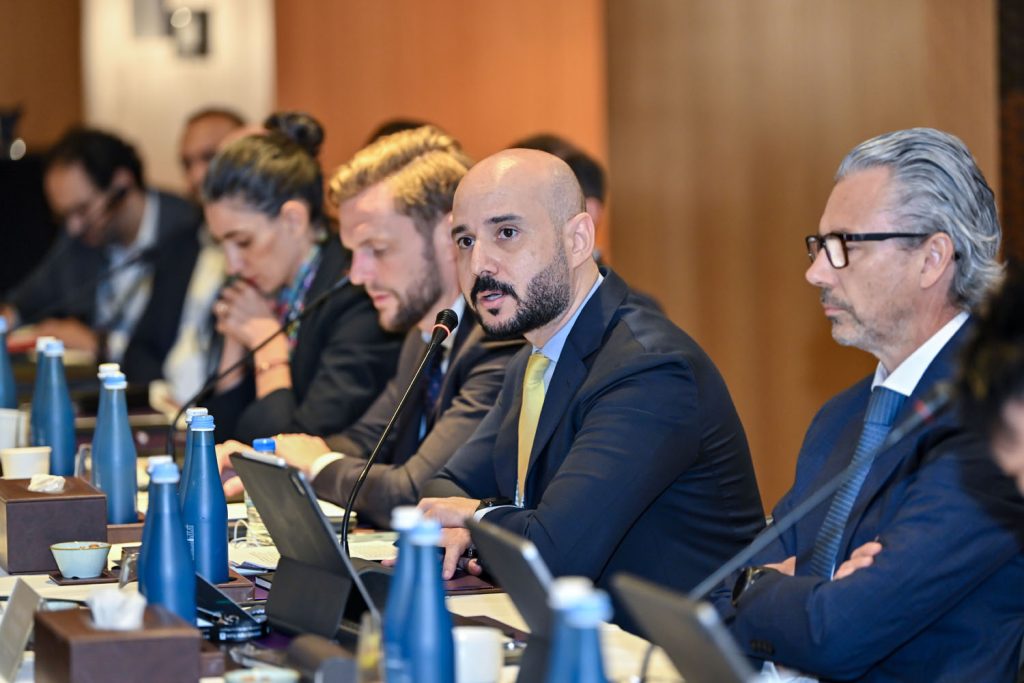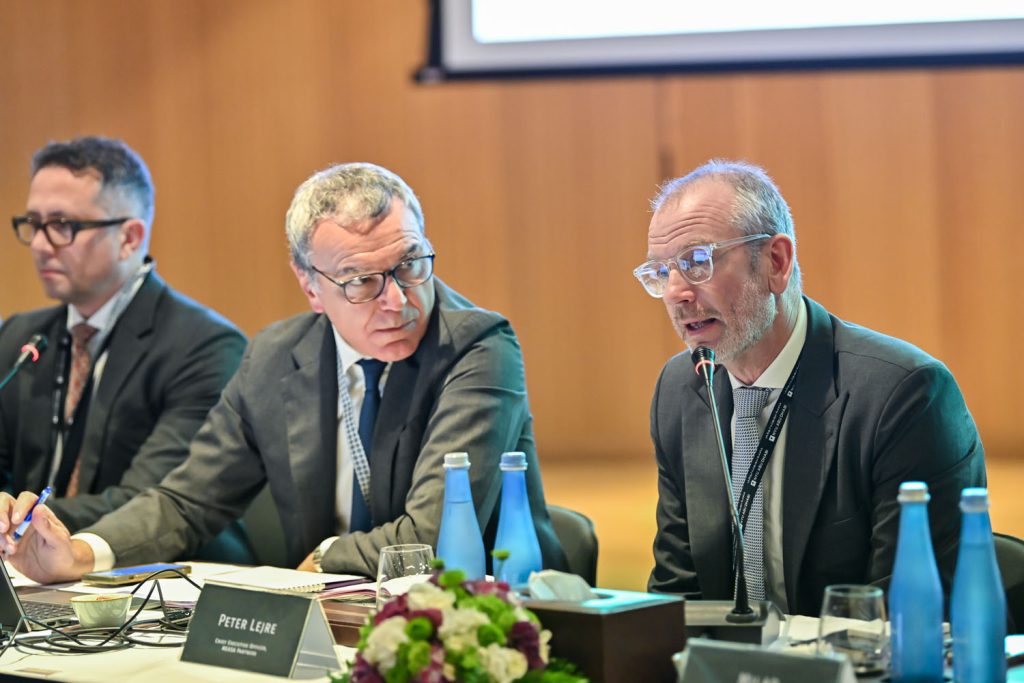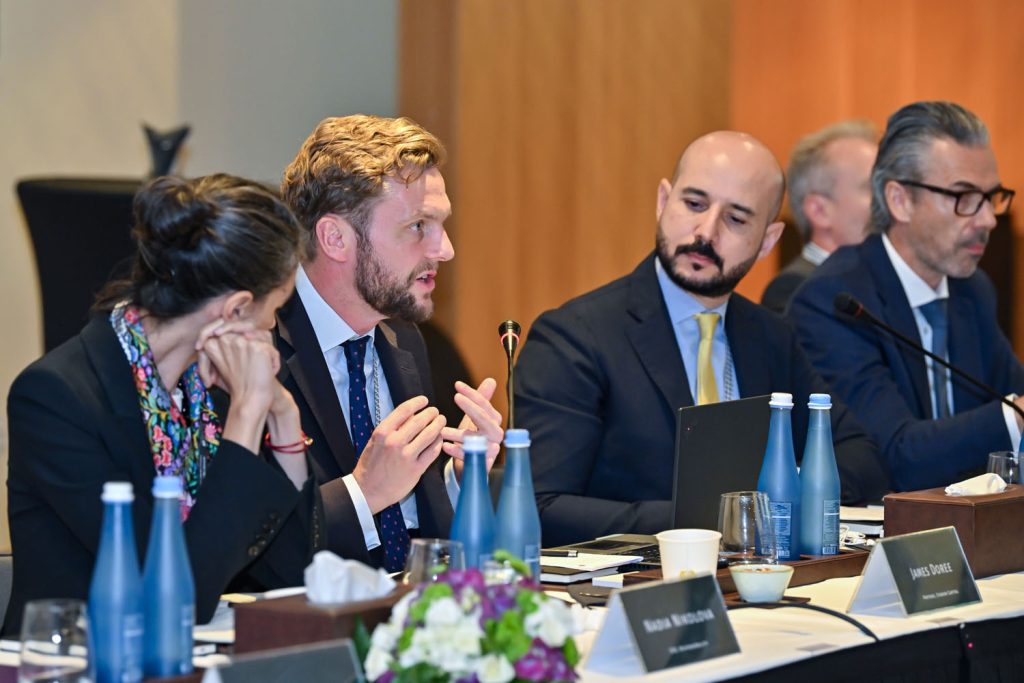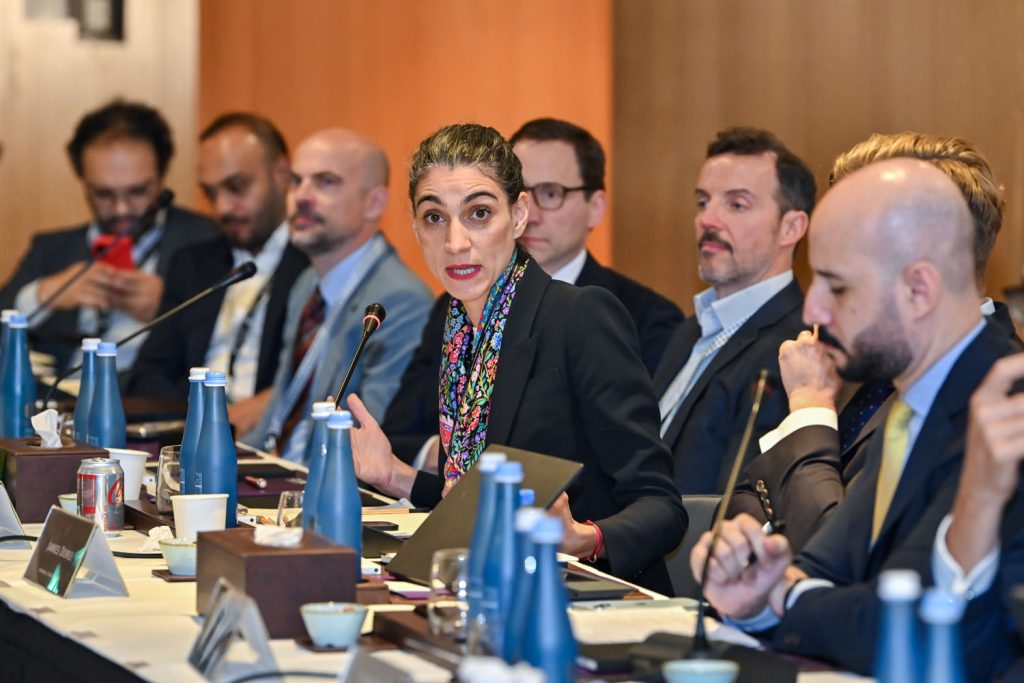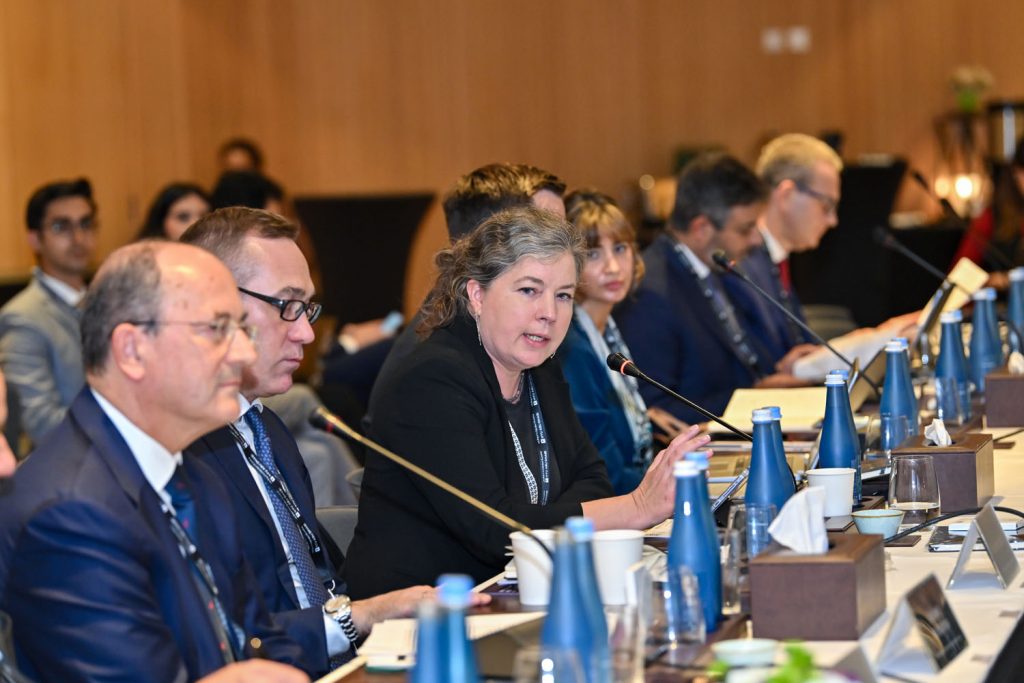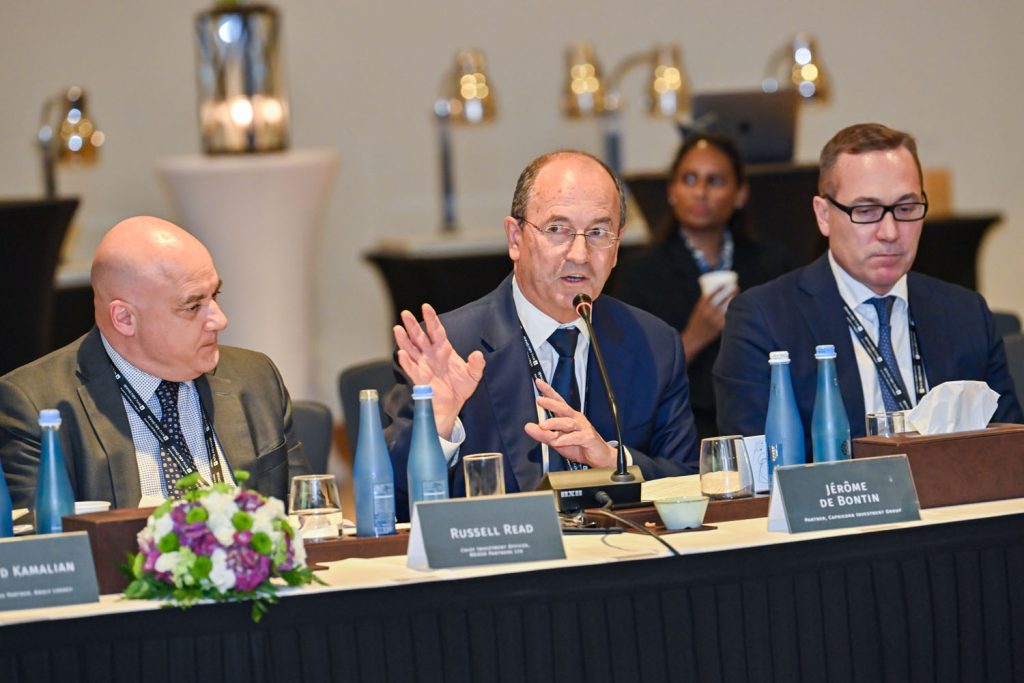
Transition Investment Workshop 2026
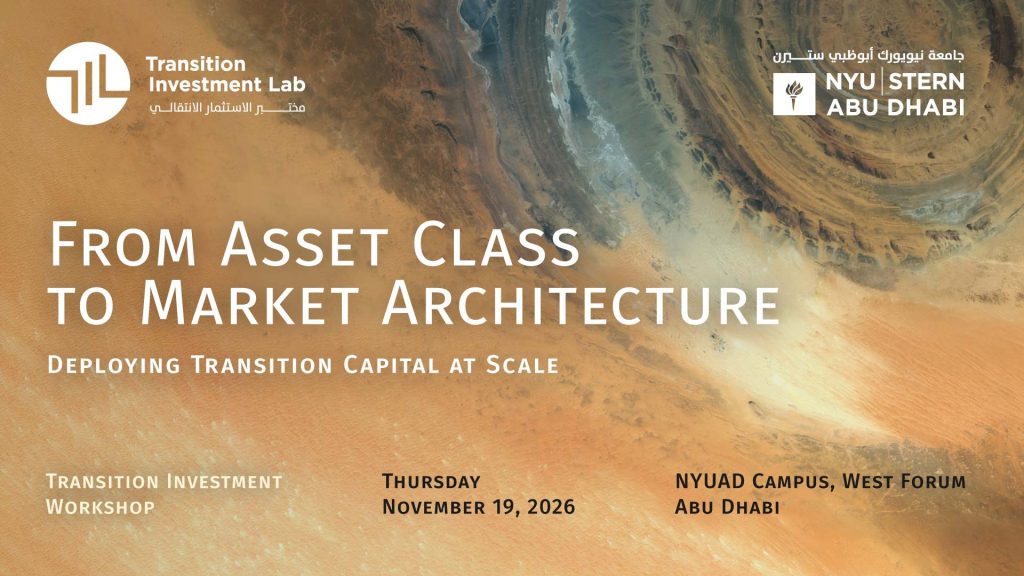
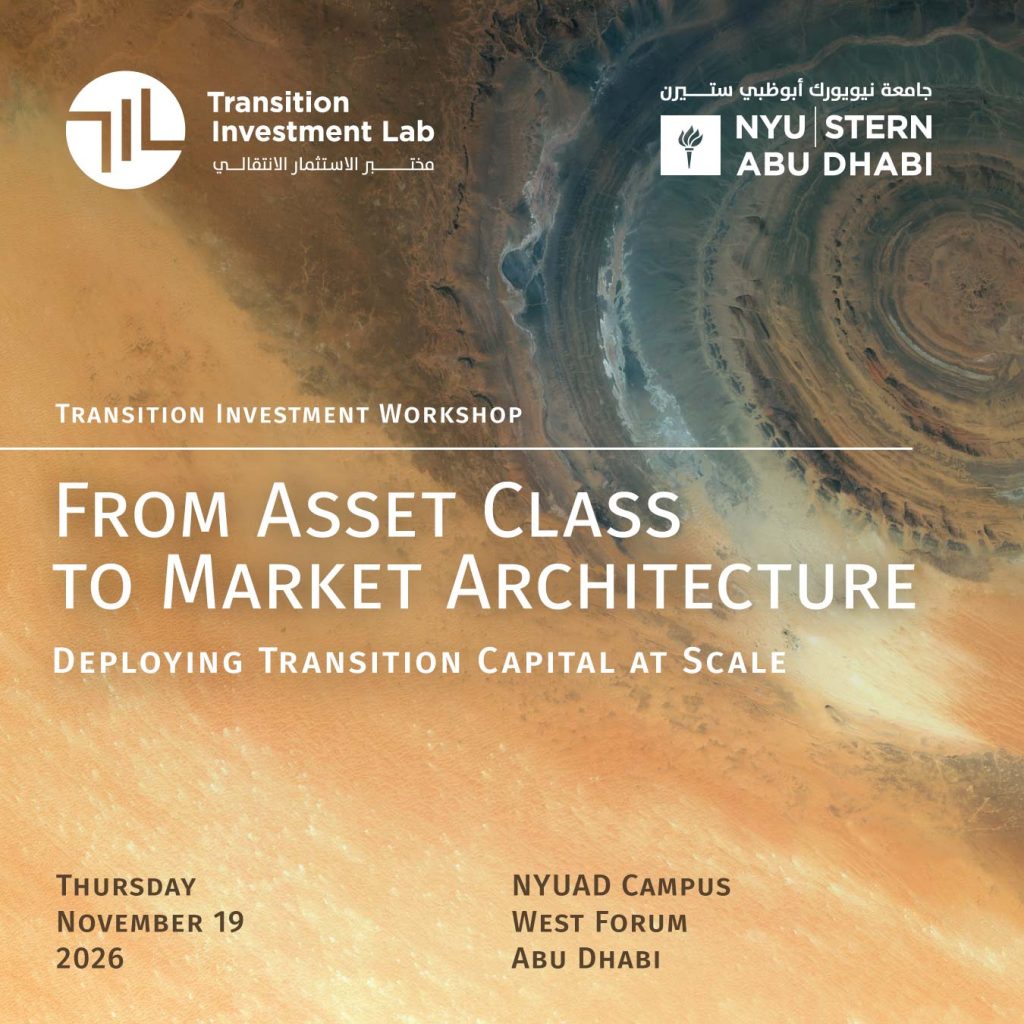
From Asset Class to Market Architecture: Deploying Transition Capital at Scale
November 19, 2026 — Stern NYUAD
The case for transition investment has been made.
Across four editions of the Transition Investment Workshop, a consistent narrative has emerged: that investing in the sustainable development of emerging markets and developing economies — particularly across the Middle East, Africa, and South Asia — is not a philanthropic gesture but a compelling investment proposition. The asset class argument is no longer contested among the most sophisticated institutional investors; it is increasingly taken as a point of departure.
Yet capital flows tell a different story. Despite growing acknowledgment of transition investment as a legitimate and potentially attractive asset class, the reallocation of institutional capital from developed markets to the Global South remains stubbornly below what the scale of the opportunity — and the urgency of the challenge — demands. The gap between conviction and commitment is wide, and it is not narrowing fast enough.
The fifth edition of the Transition Investment Workshop takes as its starting point a deliberate shift in emphasis: from establishing transition investment as an asset class to designing the market architecture required to deploy it at scale. This is not a retreat from ambition — it is an escalation of it. The question is no longer whether institutional capital should flow to the Global South, but what conditions, instruments, data infrastructure, and market structures are needed to make that flow reliable, scalable, and commercially sustainable.
Four interconnected questions will structure the workshop’s discussions.
- Where are the data gaps, and how can we close them?
- Can sustainable development be a value driver, not a return constraint?
- What does it take to unlock Africa?
- What private market infrastructure does transition investment need?
Registration for the event is not open yet. More information is coming soon.
Program
11:30 – 12:00
Registration and reception
12:00 – 13:00
Welcome by NYUAD leadership and networking lunch
13:00 – 13:30
Session 1.
Transition investment insights from research
This session leveraged on the key research outputs and insights from TIL’s research team, with special reference to the most recent trends in SWF’s investments in adaptation and resilience, in SDG-aligned private equity investments in emerging and developing economies of the MEASA region.
13:30 – 14:45
Session 2.
Development as an asset class? Repricing risk and returns in emerging and developing markets
This session discussed the most recent evidence on credit risk in emerging markets from the GEMs database, the role of MDBs and DFIs as originators of bankable projects in emerging and lower income countries, blended finance, risk mitigation, and investment strategies to foster institutional capital mobilization along the SDGs.
14:45 – 16:00
Session 3.
Scaling up commercial catalytic capital in Global South infrastructure
Investors are increasingly drawn to the region’s growth potential and critical role in global transitions, yet structural challenges — from currency risk and political instability to infrastructure gaps and regulatory uncertainty — continue to complicate capital flows. This session examined how experienced investors are addressing these challenges in the infrastructure space: the frameworks, instruments, and partnerships they rely on, how they assess and price risk, and where they see emerging opportunities across the Global South, with special reference to the MEASA region.
16:00 – 16:15
Coffee break
16:15 – 17:30
Session 4.
Seeking resilience alpha: private markets opportunities in adaptation against global risks
Resilience alpha is no longer anecdotal; it is measurable, repeatable, and increasingly priced by the market. Investors who underwrite for resilience stand to capture a structural return premium while cutting left-tail risk. This session
discussed the opportunities for private equity investment in resilience and system adaptation across multiple impact themes.

Event Program
11:30 – 12:00
Registration and reception
12:00 – 13:00
Welcome by NYUAD leadership and networking lunch
13:00 – 13:30
Session 1.
Transition investment insights from research
This session leveraged on the key research outputs and insights from TIL’s research team, with special reference to the most recent trends in SWF’s investments in adaptation and resilience, in SDG-aligned private equity investments in emerging and developing economies of the MEASA region.
13:30 – 14:45
Session 2.
Development as an asset class? Repricing risk and returns in emerging and developing markets
This session discussed the most recent evidence on credit risk in emerging markets from the GEMs database, the role of MDBs and DFIs as originators of bankable projects in emerging and lower income countries, blended finance, risk mitigation, and investment strategies to foster institutional capital mobilization along the SDGs.
14:45 – 16:00
Session 3.
Scaling up commercial catalytic capital in Global South infrastructure
Investors are increasingly drawn to the region’s growth potential and critical role in global transitions, yet structural challenges — from currency risk and political instability to infrastructure gaps and regulatory uncertainty — continue to complicate capital flows. This session examined how experienced investors are addressing these challenges in the infrastructure space: the frameworks, instruments, and partnerships they rely on, how they assess and price risk, and where they see emerging opportunities across the Global South, with special reference to the MEASA region.
16:00 – 16:15
Coffee break
16:15 – 17:30
Session 4.
Seeking resilience alpha: private markets opportunities in adaptation against global risks
Resilience alpha is no longer anecdotal; it is measurable, repeatable, and increasingly priced by the market. Investors who underwrite for resilience stand to capture a structural return premium while cutting left-tail risk. This session
discussed the opportunities for private equity investment in resilience and system adaptation across multiple impact themes.
Resources
- Summary Highlights and Coverage of the Transition Investment Workshop 2025, gathering the key takeaways of each session (pdf)
- Event Agenda of the Transition Investment Workshop 2025, with timings, speakers and guests lists
- Full slide presentation of the workshop
- GEMs General Brochure (pdf)
- GEMs Private Sector Presentation (pdf)
- GEMs Private Sector Lending Report (pdf)
- GEMs Website: www.gemsriskdatabase.org
- Fervo Energy Teaser Presentation (pdf)
- Redwood Teaser Presentation (pdf)